
Doraldina
Doraldina, Inc. was founded in Los Angeles by Dorothy Saunders, better known as Doraldina, an exotic dancer and silent film star. Married twice, she gave conflicting details about her background during interviews and on offical forms so unravelling about her past is difficult at best.
There are no available records of Doraldina’s birth but a 1905 marriage application to her first husband, Alfred E. Mason, states that she was born Dorothy Simmons. This record lists her age as 21, her birthplace as New York, her father, Henry Simmons, as French and her mother, Ella Stout, as an American born in Ohio. However, in a 1920 interview for the Los Angeles Times, she would claim her mother was part French, part Hindu and her father was Spanish.
In 1910, we find Alfred E. Mason and Dorothy L. Mason living in Portland, Oregon, with Dorothy still listing her age as 21 and now saying she was born in Ohio. Later, on a 1915 passport application, Dorothy L. Mason, now single, continues to give Ohio as her birthplace but puts her birth date as 1890. If this is correct she would have been about 15 when she married Alfred E. Mason which might explain the anomalous age date and place of birth.
Later still, in a Los Angeles census document from 1930, Dorothy is now married to Frank B. Saunders, an event that occurred around 1917. She gives her age as 41 and her birthplace as Ohio which agrees with the details on her passport application. The couple were living with a woman said to be Doraldina’s mother, Eleanor Downs, born in Ohio. This name differs from the Ella Stout recorded on the 1905 marriage application but it is possible that Ella is short for Eleanor and that her mother had remarried. Doraldina’s death certificate lists her mother’s maiden name slightly differently as Elinore Downs and her father as unknown.
How Doraldina became an exotic dancer is also unclear. Her 1915 passport application says she intends to visit Spain, Portugal, and Argentina to study her theatrical profession. In later interviews she claims to have paid for the trip using money she had earned while working. In some interviews from working as a stenographer, in others as a manicurist.
I was born in San Francisco and was never out of this country until I went abroad to study dancing. I was a stenographer, and I had saved up some money from several years of hard work. All of a sudden it occurred to me that I could dance. I dont [sic] know why, but the idea just came. Without telling a soul where I was going, I sailed for Spain—about three days after I had this ‘hunch.’
(Squier, 1919, p. 65)
The passport application suggest that she was interested in dancing by 1915. The connection with Spain and/or South America may also explain the origins of her stage name. Dora-l would appear to be the combination of her shortened first name and her middle initial with the -dina added to make it sound exotic. However, an interview from 1920 includes a more colourful origin story.
As for the exotic name, Doraldina, that was partly a matter of intention and partly of accident. She originated the name “Dora-dina” just before she started home from Spain. She ordered an old Spaniard to paint it on her trunk. He made a mistake and slipped in the “l.” Doral-dina considered it, found it euphonious, and so retained the consonant.
(Howe, 1920, p. 46)
In some interviews, Doraldina claims to have worked in Spain for a number of years to great acclaim. This does not seem possible, as she was not overseas for very long, if she went at all. Her passport application is dated August, 1915 and by January, 1916 there are reports of her working as a dancer at Reisenweber’s, a supper club on 48th and Broadway, New York for US$90 a week. Discovered by Ned Wayburn [1874-1942], she was giving exhibitions of various Oriental dances including her version of the Hawaiian Hula which she supposedly brought ‘direct from Honolulu’. This started a craze which Doraldina is credited with introducing into the United States.
Her following meteoric rise to fame and fortune is remarkable. She was soon earning US$200 a week at Reisenweber’s, but this rose to US$1,000 a week when she moved to the Cafe Montmartre, a supper club situated above the Winter Garden on 50th and Broadway. It was renamed Doraldina’s Montmartre after she purchased a 35% stake in the business for US$35,000 in January, 1917.
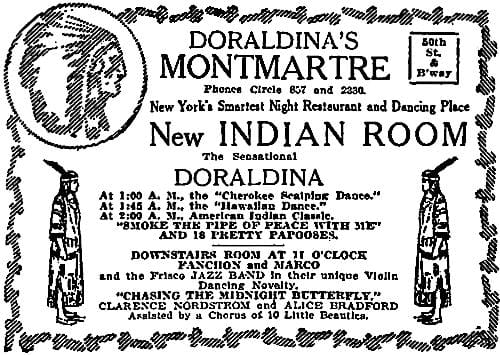
Above: 1917 Doraldina at Doraldina’s Montmartre. During promotions for this event Doraldina claimed that her grandfather was a Cherokee Indian and her mother a French woman.
Her success as a dancer saw Doraldina engaged in a series of Broadway productions as well as a number of photo plays – The Naulahka (Pathé, 1918), The Woman Untamed (Pyramid Photo Plays, 1920), and Passion Fruit (Metro Pictures, 1921).
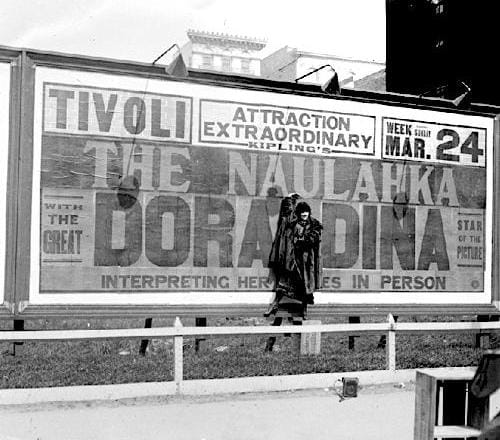
Above: 1918 Doraldina standing in front of a billboard for Naulahka.
After Passion Fruit, Doraldina retired from screen work with accounts suggesting that this may have been partly due to a personal tragedy – the death of a child. Some newspaper reports later detailed expected returns to vaudeville and pictures but nothing eventuated and, by 1925, we get the first reports of her move into cosmetics.
The dancer’s illness, it develops, was caused by overwork and the premature birth of a boy baby. Her husband, Frank Saunders, has been making just barrels of money in oil, so he felt that she could afford to take a well-earned rest. But the rest wasn’t altogether a rest, after all, as industrious young lady managed to concoct a marvelous make-up which she is marketing.
(Los Angeles Daily Times, May 8, 1925, p. 9)
By 1926, Doraldina seems to have given up any idea of returning to the stage or screen and devoted all her attention to promoting her cosmetic company, Doraldina, Inc., founded at 5617 Hollywood Boulevard, Hollywood, California. Naturally, this new venture came with a suitable origin story.
Left alone with her mother in very tender years, Doraldina, at the age of eleven, started her search for the gift that she was later to give all women. She obtained a position in a beauty shop, where she reached the decision she carried through all her years of study and success—determination to teach women to make the most of Nature—to aid, and not destroy, the charm Nature had given them. With this end in view, Doraldina lost no opportunity through the years that resulted in fortune, success and the idolatry of a world—to study, to test, to experiment with make-up.
(‘Doraldina’s Allura originates the ensemble fashion requiring harmony of complexion and clothes,’ c.1930)
As the company grew, it moved into larger facilities. The Los Angeles directory lists the company at 467 North Hollywood Boulevard however a photograph of the Doraldina office has this at 463. I have been unable to explain the discrepancy.
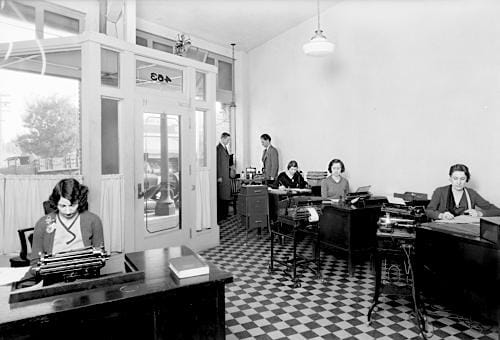
1931 Office on North Hollywood Boulevard with what looks to be salesmen in the back discussing Allura. Note that the address is 463 which is different to the Los Angeles Directory address of 467.
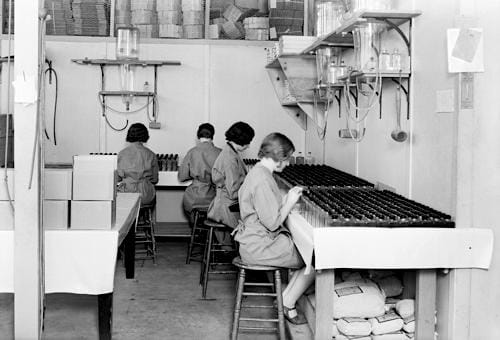
Above: 1931 Women labelling bottles on North Hollywood Boulevard.
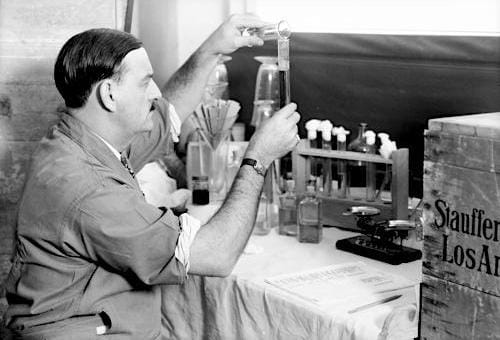
Above: 1931 Chemist working on North Hollywood Boulevard.
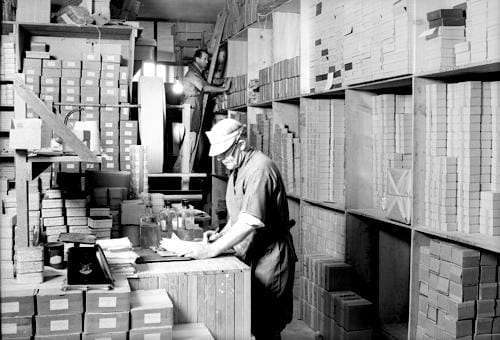
Above: 1931 Shipping department on North Hollywood Boulevard.
In 1932, Doraldina moved again, this time into a new building at 819 North La Brea Avenue, Los Angeles.
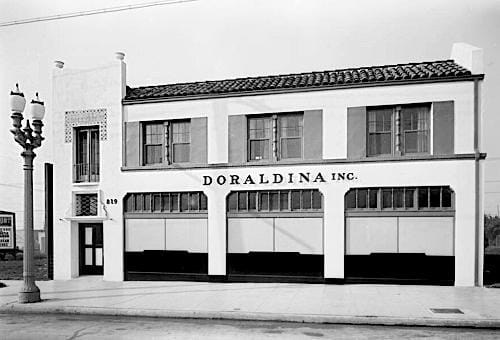
Above: 1932 Doraldina offices and factory on North La Brea Avenue, Los Angeles.
For a short time, Doraldina also operated a salon at 5611 Hollywood Boulevard. It probably closed after the move to North Hollywood Boulevard. Beauty treatments also took place in the Doraldina Allura Room which opened in 1927 in Buffums’ Department Store in Long Beach.
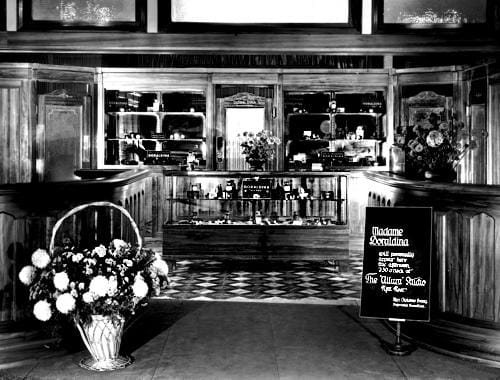
Above: 1927 This appears to be the Doraldina Studio from Buffums’ Department Store with Doraldina products on display for sale. Directly behind the counter is a door to the Doraldina Allura Room.
There were also a number of independant salons that used Doraldina products in their treatments.
In 1927, Doraldina established a second manufacturing facility at 11 West 42nd Street, New York and opened a sales office at 389 Fifth Avenue . This allowed the company to add New York to its advertising. A Detroit office was set up in 1929 at 638 Michigan Theatre Building but it was closed down in 1933 when it was decided to move the base for Doraldina’s Eastern operations to 230 Fifth Avenue, New York.
When the company first started, Doraldina’s advertising agency, Dake-Johanet of Los Angeles, advertised widely but the Doraldina quickly switched to cooperative advertising with stores that carried their products. It was a lot cheaper. Doraldina’s fame was a major factor in generating interest in the cosmetics and she made a number of personal visits to stores in the early days of the company. To help drawn in crowds, she often came with an exhibition of her dance costumes.
Products
The flagship product for the Doraldina range was Allura, a make-up that Doraldina may have originally developed to darken her skin during some of her exotic dance numbers. It appears to have been a type of wet wipe, a liquid cosmetic commonly used by dancers.
See also: Liquid Face Powders
Unlike most wet whites, which were liquid, Allura was produced as a solid. It was applied after being wetted, with the hands, a sponge, or piece of cotton. Allura therefore had some similarities with Marinello’s Phantom Powder, an older solid powder also applied with a sponge as well as Max Factor’s highly successful Pan-Cake Make-up (1937), which also used a wet sponge.
(1) It is absolutely essential that Allura be thinned with water or Doraldina Skin Tonic before application. It is most easily applied by taking a very small amount in the palm of the hand and thinning it so that it is of about the same consistency as milk. This “thinned” Allura is then put on the face, neck and arms exactly as though you were washing them. Pat or rub the Allura into the skin until dry. Applied in this manner, Allura becomes a part of the living, breathing skin—perceptible only in the satin finish and beautiful transparency of the skin.
(2) Allura can also be applied with a small sponge or piece of cotton, saturated in water or Skin Tonic. This pad used must be wet enough so that the Allura is thoroughly liquefied before its application to the skin. (Remember, the sponge or cotton MUST be wet, as Allura is not to be used as a coating, film or mask.) Then apply as in Direction No. I. Pat or rub into the skin until dry.
(3) When the skin is perfectly dry, dust on powder and rouge in the usual way.
(4) Keep your Allura jar tightly closed when not in use.
The thinner Allura is applied, the more perfect the appearance! Applied thinly, Allura gives the exactly correct shade when dry.(‘Doraldina’s Allura originates the ensemble fashion requiring harmony of complexion and clothes,’ c.1930)
See also: Marinello and Pan-Cake Make-up
Skin-care
Doraldina’s Allura was supported by a skin-care range packaged in bright green glass jars. Initially this included a cream cleanser, skin tonic, skin food, tissue food and muscle oil, all common cosmetics found in the 1920s and 1930s.
Doraldina Cleansing Cream: “Caressingly soft, this perfected cleansing cream liquefies instantly, spreads easily and effectively removes all grime, dirt and dust from the pores, as well as from the surface of the skin.”
Doraldina Skin Tonic: “It thoroughly cleans the pores, modifies excessive secretions of the tiny oil glands and, being mildly astringent, tones the skin and strengthens flaccid muscles. It cleanses, softens, bleaches and tightens.”
Doraldina Skin Food: “A rich nourishing cream for building up the underlying tissues of the face, hands and neck. It helps to remove intense lines about the mouth, nose and eyes.”
Doraldina Tissue Cream: “A non-fattening skin food, which gives necessary nourishment to dry skin tissues and is particularly recommended for sensitive skins. To the woman whose face muscles tire and droop easily, this cream offers restfulness and renewed youth.”
Doraldina Muscle Oil: “A rich oil to be used around the eyes and mouth and under the chin, strengthen and firm relaxed muscles and to relieve tense lines.”
Later additions were forms of skin foods and astringents.
Doraldina Special Cream: “[P]roviding nourishment to replace the natural oils that most skins lack as they grow older; it thus furnishes the skin with vital food to keep it young or restore its youth.”
Doraldina Antiwrinkle Cream: “[To] help you retain or restore the smooth, youthful complexion.”
Doraldina Special Astringent: “[S]trengthens the muscles and awakens the blood stream to healthy activity, but, actually through exercise, increases the amount of oxygen in the blood and aids the lymphatic glands in their work of purification.”
Doraldina Triple-Strength Astringent: “Recommended for the oily or heavy skin in need of firming and lifting. Most effective when applied with a patter of absorbent cotton, one end of which has been saturated in the astringent.”
Doraldina Stimulating Texture Lotion: “This lotion is not only unexcelled for the correction of relaxed muscles around mouth and under chin, but it also actually restores to the complexion that youthful texture and fresh appearance which women too often seek in vain to recapture.”
See also: Skin Foods, Skin Tonics, Astringents and Toners and Muscle Oils
Collectively these skin-care lines were combined with make-up to form Doraldina’s ‘Four Steps to Beauty’ which can be summarised as Cleanse, Nourish, Stimulate, and Make-up.
Four Steps to Beauty
DORALDINA EXQUISITE TOILETRIES reduce the care of the skin to the simplest possible requirements . . . yet adequately fill every woman’s needs.
CLEANLINESS is the first requisite of skin beauty, for, unless all dust and grime are removed from the pores as well as from the surface of the skin, the skin cannot remain young, healthy, vitally alive.
NOURISHMENT is the second essential to acquiring, retaining or restoring a fresh, firm skin. The skin on the face, neck and arms needs feeding just as much as does the body; if the skin is undernourished, it becomes parchment-like, loses its soft, velvety texture and falls into lines and wrinkles.
CIRCULATION . . . or stimulation of the blood flow. the third step to beauty. If the circulation is sluggish, muscles sag and tissues relax, allowing the skin to become baggy under the eyes, around the mouth, on the neck and chin.
ARTISTIC MAKEUP, the fourth step to feminine charm, we have already considered, with DORALDINA “ALLURA” its foundation. It is not amiss, however, to stress the importance of following the “Fashions in Cosmetics” idea—the harmonizing of complexion with costume and occasion —if one wishes to make the most of natural chic and beauty. And, of course, with “ALLURA” as your powder base, you have that most essential aid to skin beauty—PROTECTION!(‘Doraldina’s Allura originates the ensemble fashion requiring harmony of complexion and clothes,’ c.1930)
The lines also allowed Doraldina to develop day and night routines, and provide treatments for a range of skin conditions including correcting Oily and Dry skin types, as well as eliminating blackheads and correcting enlarged pores. Some of these treatments recommended using a patter or required a chin strap but I have no evidence of Doraldina selling either item.
Any woman who gives herself the DORALDINA SPECIAL TREATMENT—for throat, neck and chin—can keep her chin from multiplying itself . . . and can correct crepey skin and those tell-tale lines that just will appear on throat and neck. Follow the DORALDINA SPECIAL TREATMENT below:
After cleansing throat and neck, alternate your night treatment just as you alternate your diet to bring best results.
First Night . . .
Apply warmed DORALDINA MUSCLE OIL and over this press DORALDINA SKIN FOOD into skin.
Second Night . . .
Apply DORALDINA ANTI-WRINKLE CREAM. Leave on for 15 to 20 minutes—wipe off, press DORALDINA SPECIAL CREAM into skin.
Third Night . . .
If skin is exceptionally dry, apply DORALDINA STIMULATING TEXTURE LOTION. Leave on for ten minutes—remove excess—press on DORALDINA SKIN FOOD.
Fourth Night . . .
If skin is oily, press in DORALDINA TISSUE CREAM; over this apply compress of cotton saturated in equal parts of DORALDINA SPECIAL ASTRINGENT and water (gradually lessening the water until you can use the full strength astringent). Tie up with chin strap for half an hour.Doraldina presents fashion in cosmetics, c.1934, p. 19)
See also Doraldina presents fashions in cosmetics (c.1934)
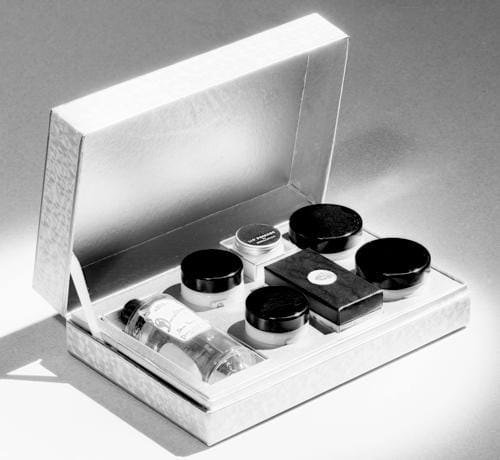
Above: 1934 A Droaldina set containing Doraldina Allura, Powder Supreme, Lip Pomade, Cleansing Cream, Skin Tonic, and Skin Food.
Make-up
After Allura, Doraldina began rounding out its make-up range with face powders, rouge, lipstick and eye make-up.
Foundations and face powders
By the early 1930s, Allura was being referred to as a foundation/powder base to be complimented with a covering of Doraldina Face Powder in complementary shades, either loose or as a compact.
Doraldina Allura: “[G]ives to the face and arms an immaculate, soft, natural finish. Very flattering with evening clothes.” Known shades by 1930: Old Ivory, Brunette, Sunburn, Evenglow, Sunglow, Sun-Tan, Olive, Arabian, Palm Beach Tan, Desert Tan, Ceylon, and Tropical. Later shades included Cameo, Eggshell, Hollywood Tan, Rose Blush, and Chartruse.
Doraldina Face Powder: “[[T]he face powder supreme, embodying all the desired qualities of adhering to the skin, of being antiseptic and of being as fine and soft as a midsummer breeze.” Shades: Blanche, Old Ivory, Naturelle, Brunette, Evenglow, and Sunglow. Later shades included Arabian, Tropical, Ceylon, Eggshell, Hollywood Tan, Rose Blush, and Chartruse.
Some shades, such as Arabian, Tropical, Ceylon, were discontinued in the 1930s.
A variant of Allura was Doraldina Leg Make-up, an early version of a product that would become popular when stockings became scarce during the Second World War.
Doraldina Leg Make-up: “[G]ives bare legs that same exquisite finish that is obtained with the finest of sheer hose, and to the arms, a satiny finish that is not destroyed by exposure.” Known shades: Palm Beach Tan, Desert Tan, Sun-Tan, Gypsy Lure, and French Nude.
See also: Cosmetic Stockings (Leg Make-up)
Rouge and lipstick
Doraldina produced cream, paste, and dry (compressed) rouges, all in similar shade ranges.
Doraldina Creme Rouge: “It is easy to apply smoothly, because of its creamy quality, yet it is permanent, thereby eliminating the necessity of frequent renovations of makeup.” Known shades: Orienti, Cheron, Sunkist, and Dusk.
Doraldina Paste Rouge: “For the lips or cheeks, a paste-form rouge of excellent quality.” Known shades: Hollywood, Sunkist, Medium, Light, and Dark.
Doraldina Dry Rouge: “Hand compressed rouges in shades that rival Nature’s own colorings!” Known shades Hollywood, Sunkist, Brilliant, and Raspberry.
Doraldina lipsticks were permanent and came in the same shades a its Paste Rouges. Larger Jumbo and Giant Jumbo versions were added by 1934.
Doraldina Lipstick: “Permanent, but made with enough emollient to keep the lips soft and unchafed.” Known shades: Hollywood, Sunkist, Medium, Light, and Dark.
Eye make-up
Doraldina sold a cream eyeshadow and what looks to be a cream mascara but I have no evidence for the company making an eyeliner or a cake/block mascara before 1936.
Doraldina Eyeshadow: “[D]esigned to make the eyes seem larger and more luminous than they really are. Cream base, easy to apply.” Known shades: Blue, Gray, Brown, Hollywood, Shartruse, and Violet.
Doraldina Cosmetique: “Made with an oil base to promote growth of the lashes; will not burn or irritate most sensitive eyes. Permanent—will not run.” Shades: Blue, Shartruse, Brown, and Black.
Ensemble make-up
Most cosmetic companies in the 1920s suggested coordinating your make-up with your complexion, i.e. the colour of your skin, hair and/or eyes, but Doraldina had a different idea which she referred to as ‘ensemble make-up’. This suggested that women use make-up to change the colour of their complexion to suit their ensemble, something she put into practice during her stage and screen career.
In the course of her stage and screen career, Doraldina found, in her various impersonations, that it was necessary for her to change the color of her complexion to match the gown she wore . . . to interpret the character she portrayed. Thus, she perfected the secret formula which has proved to the world that the fashion of harmonizing complexions accomplishes Nature’s own work—giving youth and beauty to a woman’s appearance.
(‘Doraldina’s Allura originates the ensemble fashion requiring harmony of complexion and clothes,’ c.1930)
Although Doraldina was primarily speaking to women on the sun-drenched west coast with Allura to allow them to tone their skin to different shades of white, the idea of using make-up to change your complexion was a fairly novel idea for the time.
The idea of wearing the complexion you were born with, with every imaginable costume will be obsolete in another five years. On second thought, I’ll say in another three years. And those of us who are far-sighted can be pioneers in the fascinating realm of ensemble makeup.
(The ensemble makeup, 1929)
Elizabeth Arden took this idea even further. In 1931, she began her ‘Any Woman Can Wear Any Colour’ campaign which also suggested selecting make-up according to the colour of the clothing they wanted to wear.
See also: Elizabeth Arden (1930-1945)
As the company expanded its range east, Doraldina retreated from the idea of ensemble make-up and began suggesting colour coordinating its make-up range according to familiar colour types – Blondes, Brunettes, Titans etc.
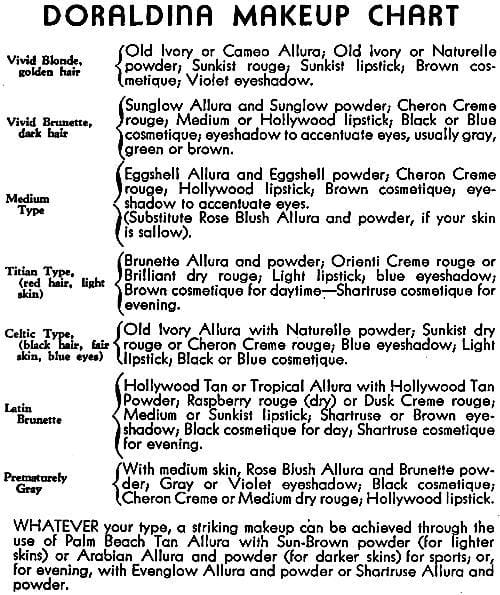
Above: c.1934 Doraldina Make-up Chart.
See also: Make-up, Personality and Types
Hands and Nails
I have no records of Doraldina producing powder polishes, manicure equipment, or a liquid nail polish with the only product in this category being a hand cream which arrived no later than 1930. It contained a mild bleach to help whiten the hands.
Doraldina Hand Beautifier: “Not a hand lotion, but a cream so soft, so soothing, so subtly fragrant as to win the immediate and lasting approval of discriminating women.”
Later Developments
Herbert E. Cronenweth [1883-1956], who was the company president in 1935, split Doraldina into two parts – Doraldina, Inc. and Doraldina Distributers, Inc. This may have been a tax-avoidance strategy previously used by a number of other cosmetic companies including Marinello and Bourjois. They all came unstuck after the Federal Bureau of Internal Revenue, later known as the Internal Revenue Service (IRS), won a court case against Bourjois making the practice illegal.
See also: Bourjois (post 1930)
The following year, Doraldina died at her home at 3494 Blair Drive, Los Angeles with her husband by her side. Newspapers reported her death as a cerebral haemorrhage but the coroner’s report gives a spongioblastoma, a malignant brain tumour, as the cause of her death, so she may have been ill for some time.
I have almost no information on the activities of Doraldina after 1936 until the company introduced a powder blending service in 1938. It was very similar to one promoted by Charles of the Ritz but used a mechanical blender rather than mixing the powders by hand. Charles of the Ritz bought Doraldina in 1939, perhaps to shut this competing service down.
See also: Charles of the Ritz (1936-1945)
After purchasing Doraldina, Charles of the Ritz founded a new company, Doraldina Cosmetics, Inc., and repackaged the range in more attractive, modern-looking containers. It would do so again in 1942.
Between 1939 and 1945, Charles of the Ritz added a few new lines to the Doraldina range including: Plastique Masque (1939) which worked like a paraffin wax treatment; Allura for Dry Skins (1940) which eliminated the need to use water when it was applied; and La Conga (1940) bath luxuries. It also introduced some new shades of lipstick and rouge including: Cranberry, and Catawba (1939); Clarion, and Cherub Pink (1940); Luscious Red (1942); and Dark Lustre (1944).
See also: Paraffin Wax Treatments
At the end of the Second World War, Charles of the Ritz disposed of Doraldina, selling it to Trade Laboratories, of Newark, New Jersey in 1945. There are traces of it in the 1950s but nothing that I could find after that.
Timeline
| 1926 | Doraldina, Inc. founded. |
| 1927 | Factory opened at 11 West 42nd Street, New York. |
| 1929 | Office opened in Detroit. |
| 1932 | Los Angeles factory moved to 819 North La Brea Avenue. |
| 1933 | Detroit office closed. Offices and warehouse established at 230 Fifth Avenue, New York. |
| 1935 | Doraldina, Inc. and Doraldina Distributers, Inc. created. |
| 1939 | Doraldina acquired by Charles of the Ritz. Doraldina Cosmetics, Inc. formed. Doraldina range repackaged. New Products: Plastique Masque. |
| 1940 | New Products: Allura for Dry Skins. |
| 1942 | Doraldina range repackaged again. |
| 1945 | Doraldina Cosmetics, Inc. sold to Trade Laboratories. |
First Posted: 13th February 2026
Last Update: 8th August 2026
Sources
Doraldina’s Allura originates the ensemble fashion requiring harmony of complexion and clothes. (c.1927). [Booklet]. Los Angeles: Stirling Press.
Doraldina presents fashions in cosmetics. (c.1933). [Booklet]. USA.
Howe, H. (1920) Outstripping Salome. Picture-Play Magazine. November, 44-46, 78.
. (1929, September 19). Rochester Times-Union. p. 15.
Squier, E-L. (1919). From typing to terpsichore. Motion Picture Magazine. July, 64-65, 100.
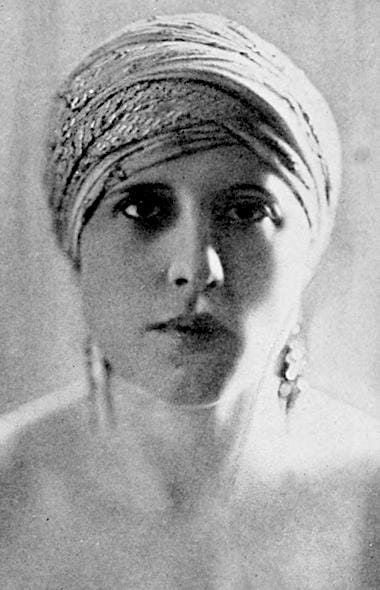
Dorothy (Dora) B. Saunders [c.1890-1936], née Dorothy Simmons, a.k.a. Dorothy L. Mason, and Doraldina. She was 5ft 5in (165cm) tall with brown hair and eyes.
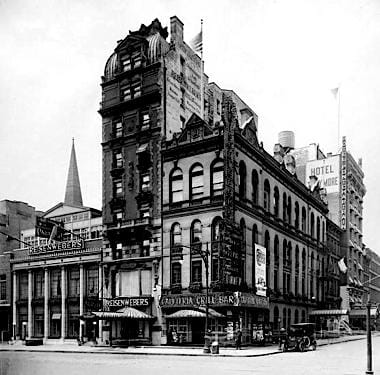
Reisenweber’s on 48th and Broadway, New York.
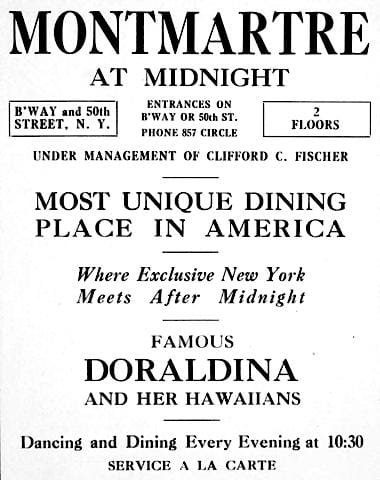
1917 Doraldina and her Hawaiians at the Cafe Montmartre.
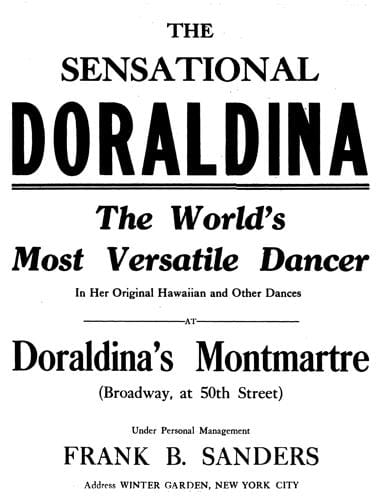
1917 Doraldina at Doraldina’s Montmartre. Her personal manager, Frank B. Sanders (Saunders), became her second husband. He was also involved in cosmetic business and was listed as the company chemist on the 1930 census.
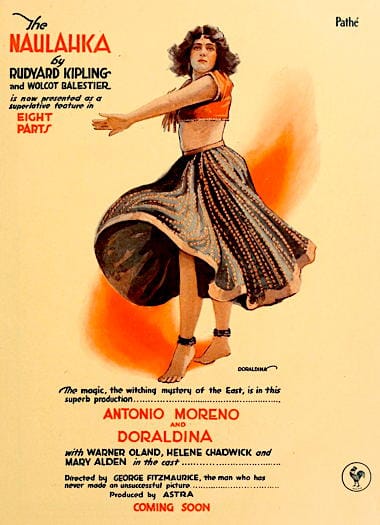
1918 Bill poster for Naulahka.
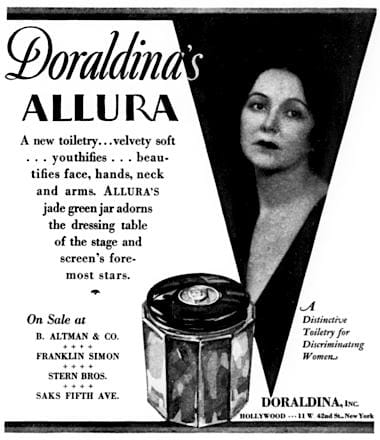
1927 Doraldina Allura.
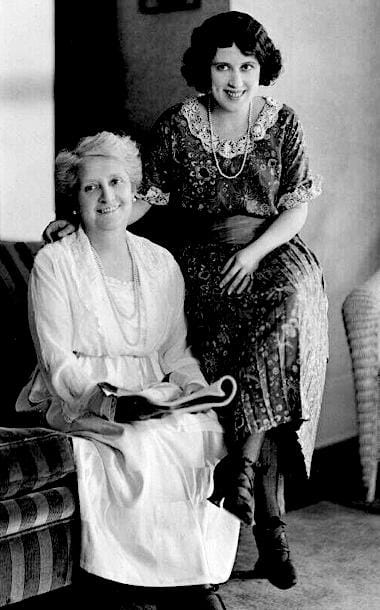
Doraldina photographed with her mother.
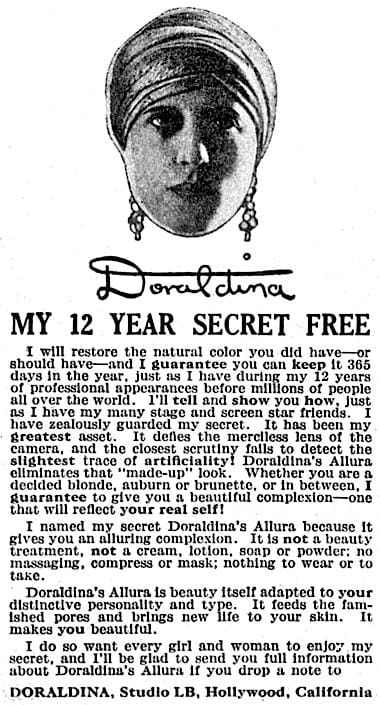
1927 Doraldina Allura.
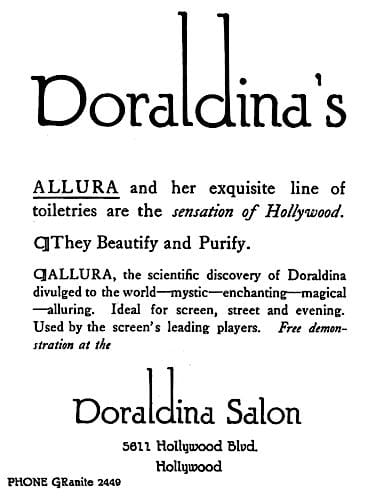
1927 Doraldina salon.
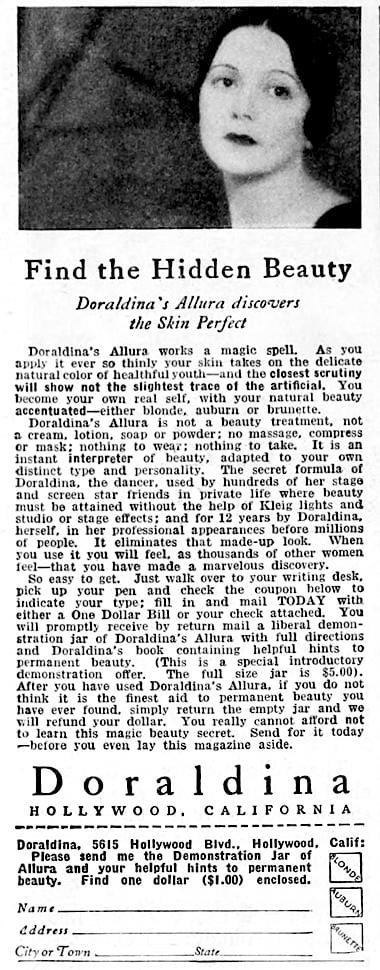
1927 Doraldina.
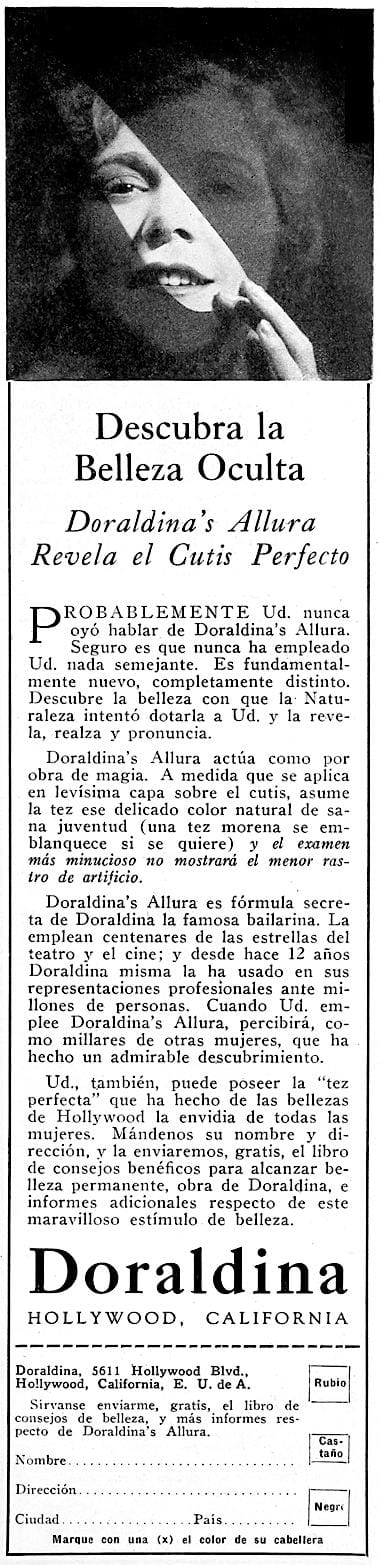
1927 Doraldina (Latin America).
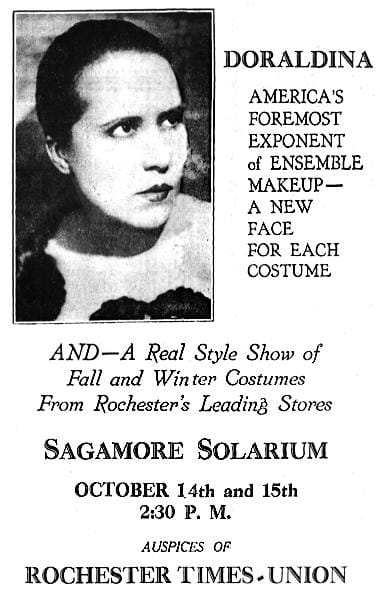
1929 Doraldina Ensemble make-up.
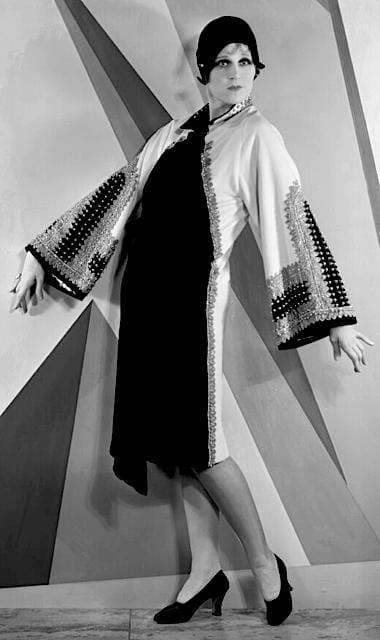
1929 Peggy Hamilton [1894-1984], a fashion commentator and designer, a friend of Doraldina, wearing Doraldina Leg Make-up.
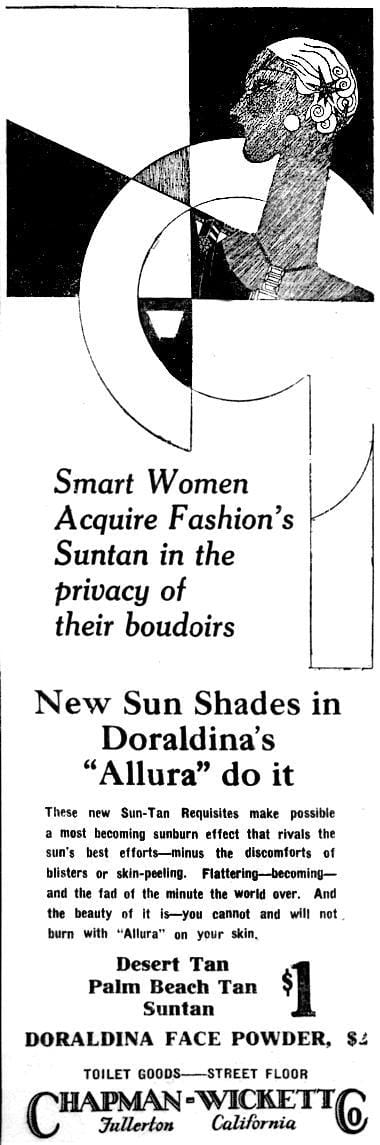
1929 Doraldina Allura.
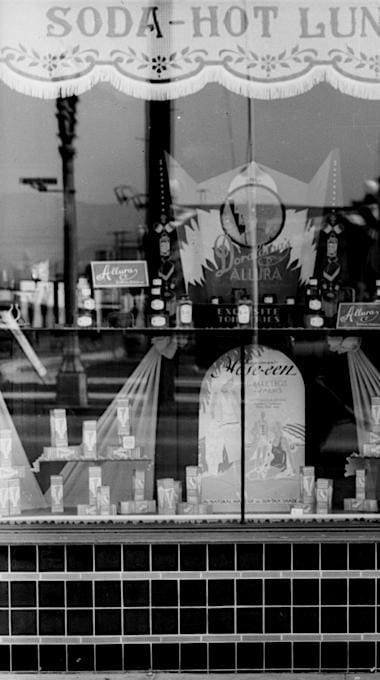
1929 Drug store window with a display of Doraldina Allura above a competitor – Hose-een, a waterproof leg make-up from Siegelman Laboratories, Inc.
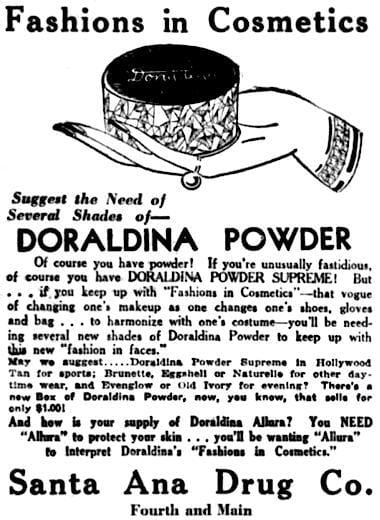
1931 Doraldina Powder.
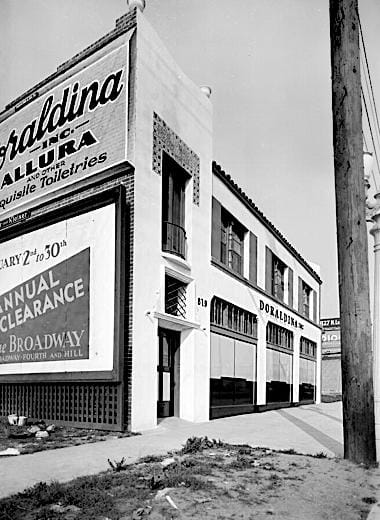
1932 Doraldina offices and factory on North La Brea Avenue with Allura billboard.
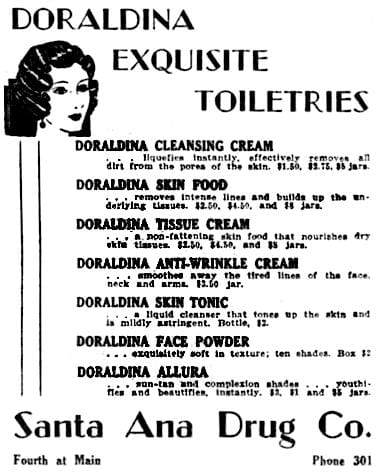
1932 Doraldina Toiletries.
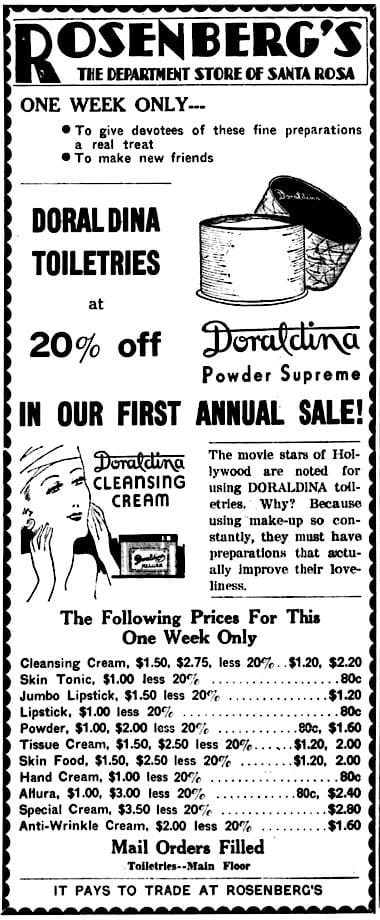
1936 Doraldina Toiletries sale following the death of Doraldina.
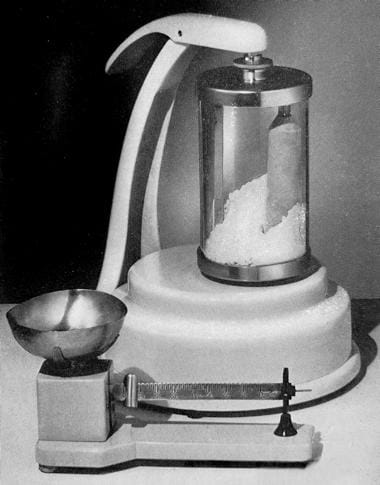
The Blendette Automatic Powder Blender from the Blendette Manufacturing Company. This may have been the mechanical blender used by Doraldina.
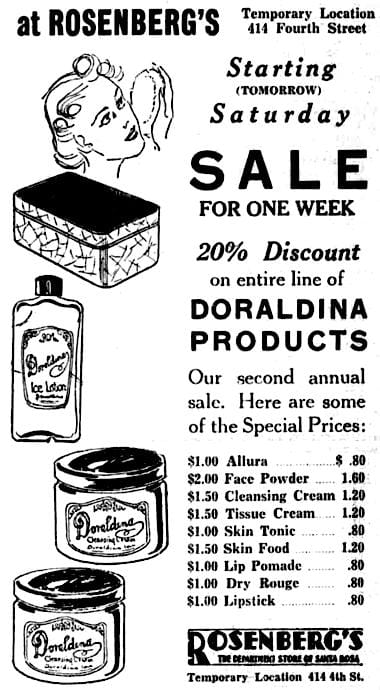
1937 Doraldina.
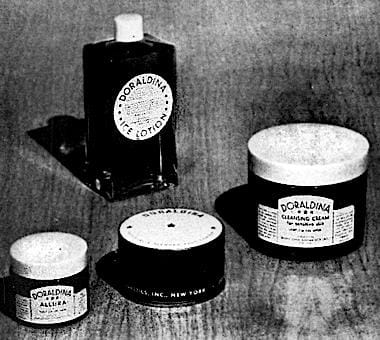
1939 Doraldina, now owned by Charles of the Ritz, in new packaging – Doraldina Ice Lotion, Doraldina Allura, Doraldina Face Powder, and Doraldina Cleansing Cream for Sensitive Skin.
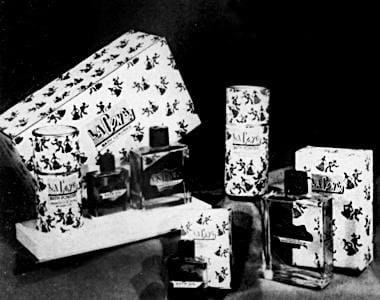
1940 La Conga Bath Luxuries – Bath Oil, Toilet Water, and Bath Powder. La Conga Toilet Water was introduced in 1939.
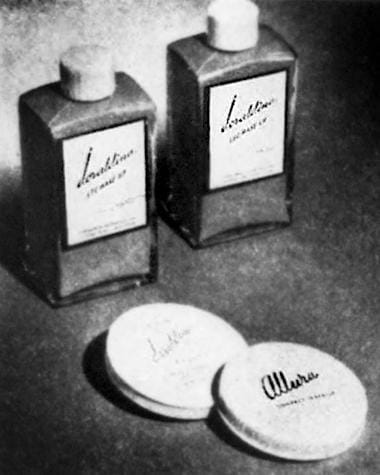
1943 Doraldina Leg Make-up and Allura Compact Make-up in new packaging.
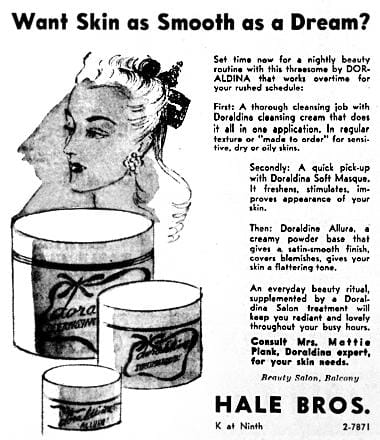
1943 Doraldina.
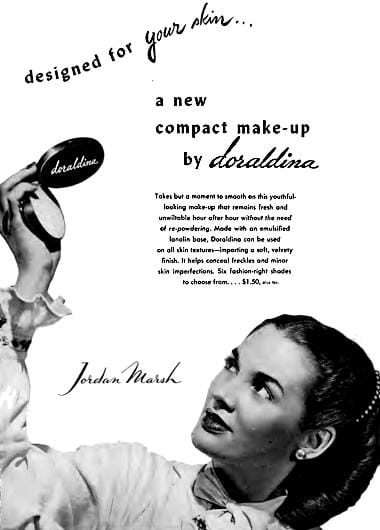
1944 Doraldina Compact Make-up.
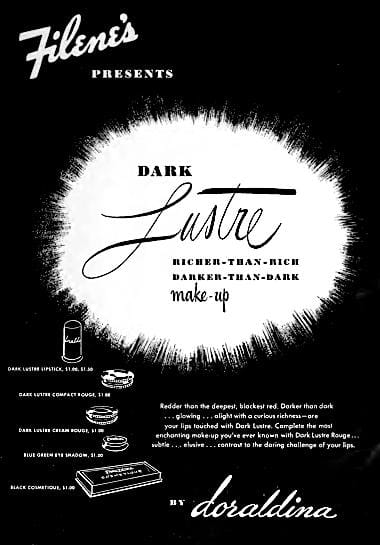
1944 Doraldina Dark Lustre Make-up.